A mobile-first AI platform empowering private landowners to navigate infestation threats, secure program funding, and find professional resources through a structured, AI-guided workflow.
The resources are sometimes hard to secure. The funding programs and the shutdowns are in turmoil. We have been tracking these metrics, problems and issues for decades, but now with AI we have the intelligence to connect the landowners in a way we never have been able to before — in the field and from a management perspective.
Earth Steward was designed using a hybrid UX & AI Design framework based on MIT xPRO - Designing and Building AI Products and Services — not as a theoretical exercise, but as a working prototype deployed at 8,990 feet in Hartsel, Colorado.
| 1 | Location | Map parcel, GPS, SAM 3 aerial |
| 2 | Impact | Walk land, field photos, log |
| 3 | Resources | Agencies, programs, funding |
| 4 | Application | Apply for EQIP, CSP, HFRP |
| 5 | Review | Licensed forester sign-off |
| 6 | Mitigation | DIY or contractor selection |
| 7 | Future Review | Long-term monitoring cycles |
The landowner opens Earth Steward standing on their property. Within seconds the parcel is mapped, the life zone identified, and a nearby infestation warning is already surfaced — before they've taken a single step.
"Western Spruce Budworm detected nearby — tap to identify affected trees"
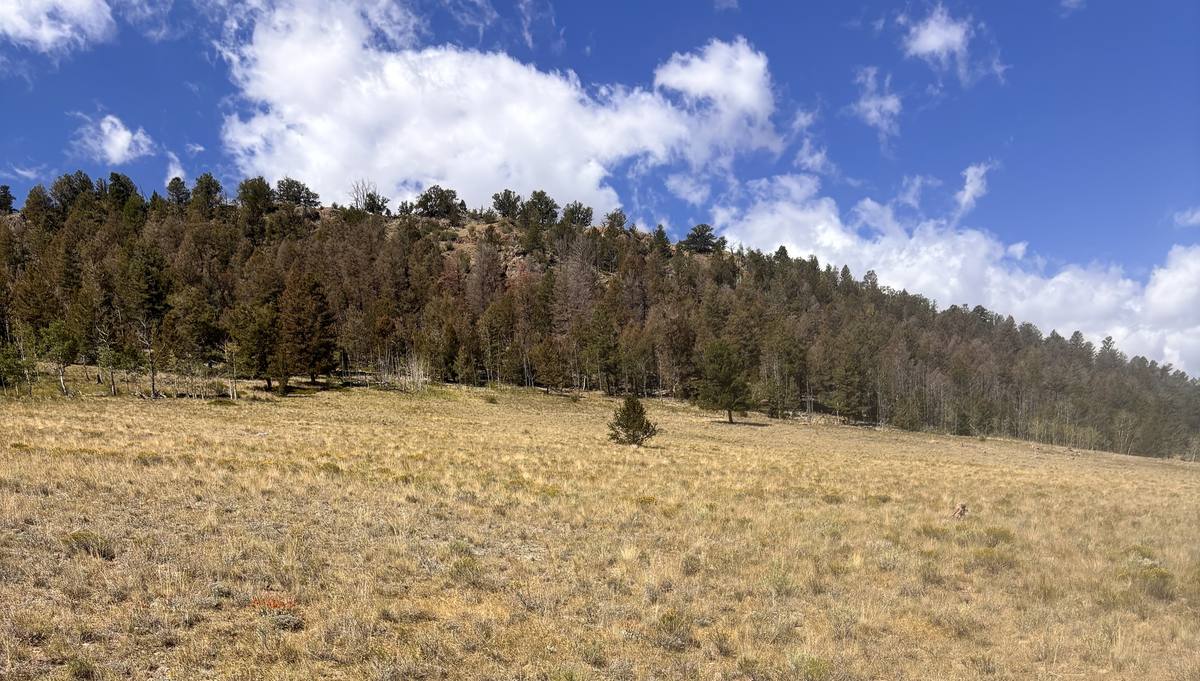
This alert is triggered by CSFS ArcGIS data showing 26,000 acres of active infestation in Park County. The landowner sees this the moment they open the app.
joelheaton.com/test/earthsteward/v2react/
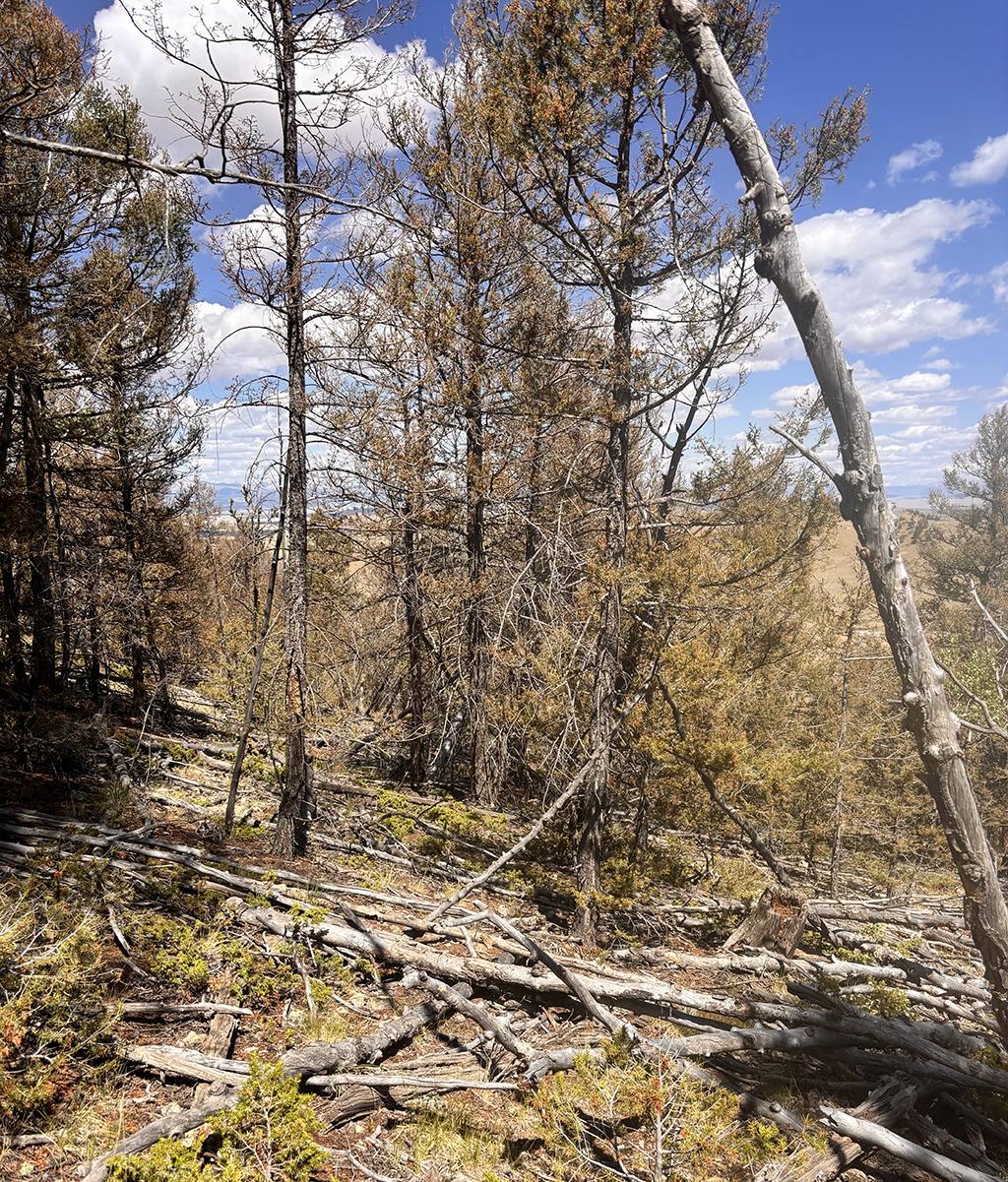
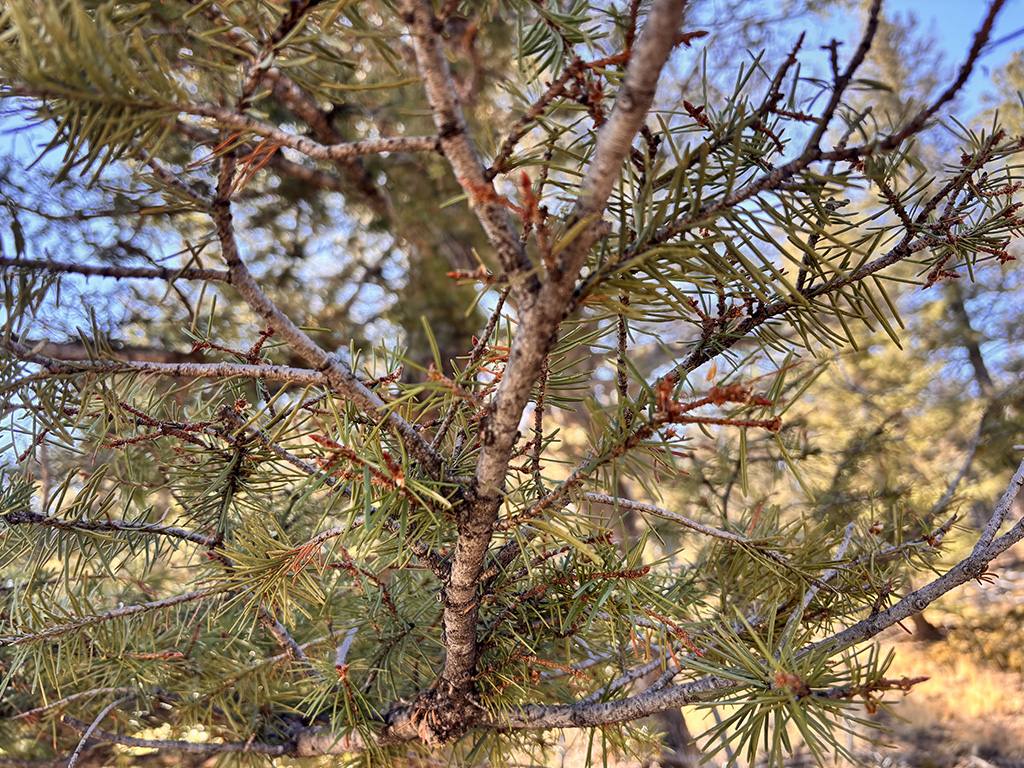
The landowner walks their property. Every observation — a snag, a badger hole, a dense stand of fir — is logged with GPS, timestamp, and SAM 3 AI identification from a phone photo.
joelheaton.com/test/earthsteward/v2react/
The Location → Impact → Details → Review flow was first built and validated with real field operators at DCP Midstream in 2018. Earth Steward applies the same proven structure to a new domain — 8 years later, at 8,990 feet.
| Stage | EVE App — DCP Midstream (Oil & Gas, 2018) | Earth Steward (Forest Stewardship, 2026) |
|---|---|---|
| 1 · Location | GPS pin at spill site · Facility ID · Event type | GPS parcel boundary · Elevation · Life zone · SAM 3 aerial scan |
| 2 · Impact | Air / Soil / Water — what was affected · Material details | Walk land · Field photos · SAM 3 species ID · Field log · Annotations |
| 3 · Details | Measures taken · Timeline · Enablon integration | Resources · Funding programs · Forester match · Application prep |
| 4 · Review | Review before submitting to regulatory system | Licensed forester verification and sign-off |
| Mobile user | Field Operator — reporting spills in the field | Private Landowner — documenting forest health |
| Desktop user | Plant Manager — OneSight scheduling dashboard | Forester + Agency — management plans, reports, coalition |
| UT Validation | 8 operators across 4 oil fields · 100% comprehension | Joel as primary user · Hartsel land · MVP planned |
Earth Steward isn't a student project built from scratch. It's the application of a field-tested UX pattern — validated with real users under real conditions — to one of the most urgent conservation challenges of our time. The methodology made it repeatable.
Earth Steward has a multi-stakeholder business model and an IP protection strategy in place — because the goal isn't just to build a good app, it's to own the standard for private land stewardship.
| Private Landowners | Subscription |
| CSFS / Forest Service | Data licensing |
| BLM Colorado | Government contract |
| Insurance Companies | Wildfire risk API |
| Conservation Groups | Grant licenses |
| Universities | Research partnerships |
The foundation is proven. The pattern is validated. The next phase completes the 7-stage workflow and moves Earth Steward from prototype to MVP.
UX & Product Designer · MIT xPRO AI Design · joelheaton.com